Table of Contents
Looking for a yoga retreat Japan experience that feels grounded in place rather than generic. Japan blends mindful movement with centuries of contemplative culture, from temple zazen to mountain onsens. This guide maps standout programs by region and decodes styles, seasons, and costs so you can match practice with landscape and pace.
Quick answer. The best japan yoga retreat for 2025 depends on the region vibe you want. Tokyo and Kyoto work for culture plus practice. Nagano and Fuji regions bring onsen and forests. Kyushu and Okinawa add countryside and reef calm. Expect 4 to 10 day programs, daily yoga plus meditation, and prices from mid to premium based on inclusions [1][3][4][5].
If you’re new here, you can learn more about my background and experience as a retreat leader on Our Story
How We Chose the Top Retreats in Japan for Yoga and How to Use This Guide
Programs here were selected for clear dates, thoughtful teaching, and strong sense of place. The short list favors retreats that pair yoga with local culture, nature immersion, or contemplative traditions. It draws on published 2025 to 2026 schedules, inclusions, and pricing, then groups recommendations by region for faster planning [1][3][4][5][6].
- Practice quality. Daily classes and balanced schedules that respect rest time [3][5][6].
- Sense of place. Temple zazen, tea culture, forest walks, and islands where it matters most [1][4][5].
- Transparent logistics. Dates, meal plans, transport, and what is or is not included [1][3][4][5].
- Range of styles. Vinyasa, Hatha, meditation heavy, and healing retreat Japan formats [5][6].
Use the regional sections to narrow your landscape. Then scan Styles and Experiences to choose a format that fits. The When to Go section aligns climate and festivals with practice energy. Pricing gives real examples, and FAQs compare Japan with other destinations.
Best yoga retreat japan Picks by Region
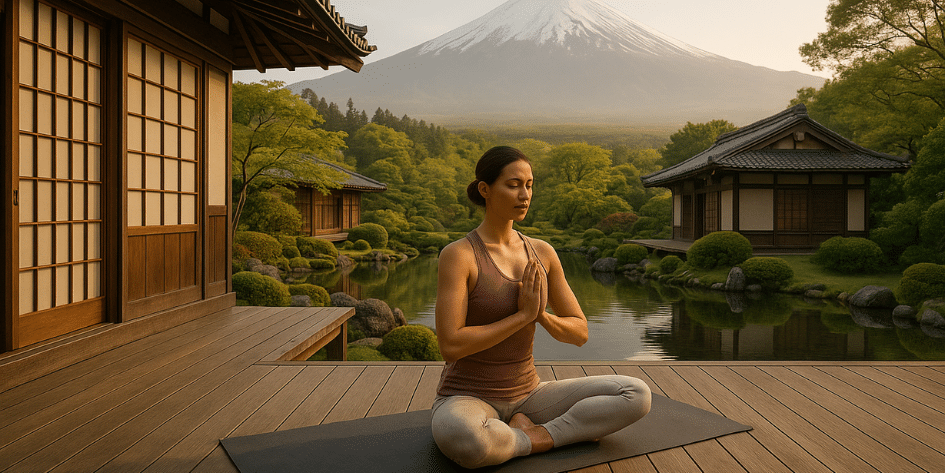
Here are the go to areas for a yoga retreat in Japan, organized from metro gateways to mountains and islands. Each region combines practice rhythm with local texture so the week feels cohesive rather than rushed.
Kanto (Tokyo and Surrounds): Top City-to-Nature Escapes
Tokyo Urban Retreat Highlights
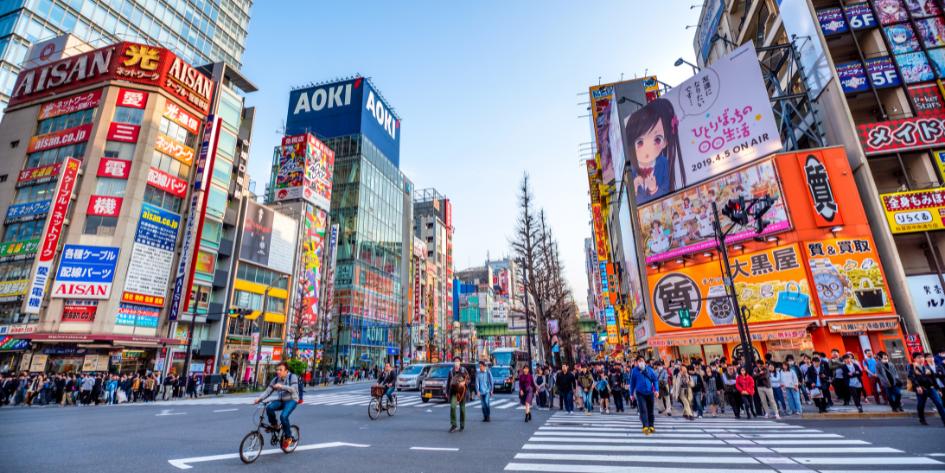
Tokyo suits travelers who want daily yoga woven into iconic sites and quiet temple hours. One curated retreat pairs city days with hikes and zazen, plus group transport on bullet trains and subways, while holding morning and evening yoga blocks in Kyoto segments too. The program lists Tokyo highlights like Meiji Jingu, Asakusa, Tokyo Skytree, and a Mt Takao hike tied to Yakuo in Temple, with a 10 day format priced at 6,250 USD as of 2025 and limited to 16 participants [4].
- Best for. Culture lovers who want yoga plus Tokyo energy and temple quiet.
- Standout. Zazen meditation days, guided city touring, and luggage transfers [4].
- Logistics. Deposit based signups, shared rooms with breakfast, group transport included [4].
Tip. Balance your practice days with one free afternoon. Tokyo’s sensory overload makes morning meditation land differently when you end the day under cypress trees hearing shrine bells. That contrast is the point.
Kanagawa Coastal and Yokohama Options
For coastal air without leaving the metro orbit, Kanagawa works. Expect day formats that blend vinyasa and pranayama with coastal walks and shrine time. Many Japan retreat yoga hosts add side trips to Kamakura for temple gardens and ocean views. Programs are often weekend to 4 day sets, with simple inclusions like brunch and props. Editor verified.
- Best for. Short retreats and beach mellow without flights.
- Standout. Shrines, tea houses, and sandy morning breathwork.
- Watch for. Clear policy on meals and transport, since short programs vary.
Nikko and Izu Nature Getaways
Nikko’s cedar avenues and hot spring inns pair naturally with meditation heavy schedules. Izu Peninsula adds coastal onsen and forest bathing, great for slow flow and nidra evenings. Several retreat yoga Japan hosts use ryokan style tatami rooms and onsen access, keeping group sizes small. Editor verified.
- Best for. Forest minded travelers and onsen fans.
- Standout. Morning silence, cedar scents, and lantern lit baths at night.
- Plan. Book early for autumn colors. Rooms go fast in October.
When I first explored the Kanto region for retreats, I noticed how quickly the rhythm shifts between Tokyo intensity and temple quiet. When I went to Meiji Jingu at sunrise after a late evening in the city, the contrast made the meditation land deeper than expected. We’ve guided students through Kanagawa and Nikko as well, and each time I see how the ocean air or cedar forests immediately soften people’s breath. If someone is choosing their first retreat in Japan, we usually recommend Kanto because it blends accessibility, culture, and nature in a way that feels grounding without being overwhelming.
Kansai (Kyoto, Osaka, Nara, Wakayama): Heritage and Temple-Based Retreats
Kyoto Yoga Retreat and Temple Stays
Kyoto remains the cultural heart. One 2025 retreat anchors multiple days of morning and evening yoga in Kyoto, folded around temple touring like Kinkakuji, Ryoanji, Tenryuji, and Arashiyama bamboo. It includes dedicated zazen sessions and Shabutsu with guidance, plus day trips to Nara for Todaiji and Horyuji, and luggage transfers back to Tokyo. Shared rooms with breakfast, most meals included, and a clear deposit policy make this program easy to plan [4].
- Best for. Heritage seekers who want practice inside a temple rhythm.
- Standout. Zazen and hand craft experiences embedded in the schedule [4].
- Note. Dietary flexibility is limited due to group meals. Confirm ahead [4].
Temple stays also appear inside cultural programs in Kyushu where zazen is led by a local monk and tea ceremony is part of the immersion. It is a strong model for mind training paired with movement [1].
Osaka Urban Wellness and Studios
Osaka works best for studio based intensives paired with food tours and castle visits. Many yoga japan retreat hosts split time between Osaka and Kyoto to balance city and temple cadence. Expect vinyasa blocks, yin evenings, and mindful walking in covered arcades. Editor verified.
- Best for. Food curious travelers who want practice and markets.
- Standout. Short metro hops to Kyoto for zazen days.
- Pace. Keep mornings quiet. Osaka nights can run late.
Koyasan and Wakayama Pilgrimage Paths
Koyasan adds depth. Many programs fold zazen with monk led talks and candlelit nidra. Forested temple precincts turn silence into a practice partner. Wakayama’s pilgrimage trails invite breathwork that aligns with slow footwork. Cultural retreat hosts include shrine visits, calligraphy meditation, and tea ceremony that frame yoga inside Japanese contemplative arts [1][4].
Plan. Winter is cold. Late spring and early autumn are friendlier.
Best for. Those seeking spiritual emphasis and quiet nights.
Standout. Zazen, calligraphy meditation, and forest therapy walks [1].
When I went through Kansai for the first time, the depth of Kyoto’s temple rhythm caught me off guard—in the best way. We’ve seen students transform just from a single zazen morning in Tenryuji or a quiet walk through Arashiyama before the crowds arrive. Koyasan especially stays with you; when I practiced zazen with the monks there, the silence felt alive. If you value heritage and contemplative practices, Kansai consistently becomes the region people thank me for recommending.
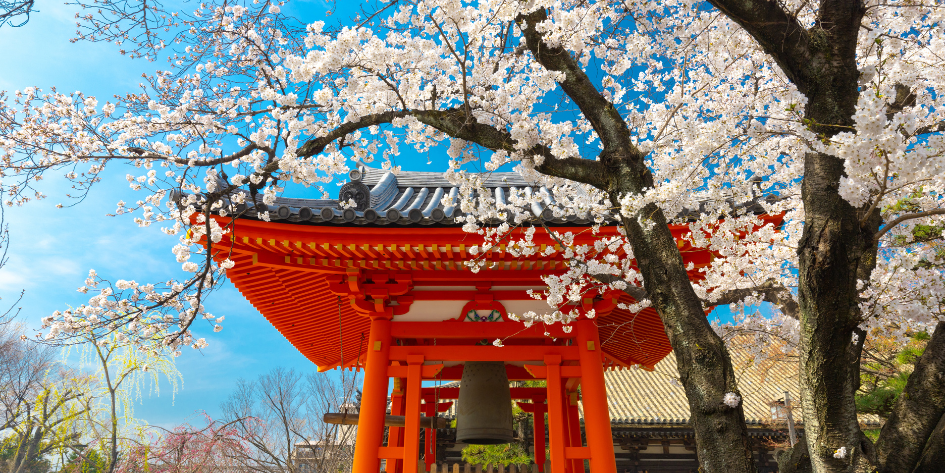
Japanese Alps and Fuji Region (Nagano, Yamanashi, Shizuoka): Mountain Wellness
Nagano Onsen and Snow-Country Retreats
Nagano’s Nozawa Onsen is a classic. Daily yoga in tatami rooms, mindful meditation, and free use of village run hot springs set a steady rhythm. Packages run 3, 5, or 7 nights with healthy brunch or breakfast, twin share rooms, and English speaking staff. As of early October 2025, programs are scheduled with prices like 40,500 JPY for 3 nights and 98,500 JPY for 7 nights, with hiking or cycling add ons and optional private bathrooms [3].
- Best for. Onsen lovers wanting village life and mountain air.
- Standout. Two classes per day on select packages, plus guided hiking days [3].
- Bonus. April “Snoga” weeks combine yoga with late season snow days [3].
A past participant summed up Nozawa nicely. “Two hours from Tokyo but feels like another world. The hot baths alone are worth it.” That mix of practice, nature, and local hospitality is why Nagano stays on top [3].
Fuji Five Lakes and Yamanashi Forest Escapes
Fuji’s north side and Yamanashi forests make sunrise breathwork feel simple. Retreat in Japan for yoga often uses lake shore platforms for morning flow and woodland paths for mindful walking. Editors see programs that pair vinyasa with tea country visits and forest bathing, then onsen. Editor verified.
- Best for. Those who want Fuji views without crowds.
- Standout. Lake breezes and cedar shade during midday meditation.
- Book. Shoulder seasons to avoid typhoon days. June and October work well.
Shizuoka Coast and Tea-Country Programs
Shizuoka brings coastlines, tea fields, and mellow trains. Hosts often curate one class per day plus tea ceremony, then an onsen soak. Add beach pranayama and slow village meals. Simple, restorative, and easy on logistics. Editor verified.
- Best for. Gentle weeks with a single daily class.
- Standout. Tea culture woven into breathwork and ritual.
- Note. Confirm transport to coastal towns before booking.
When I practiced in Nagano for the first time, the combination of mountain air and onsen recovery shifted my whole internal pace. We often take groups to Nozawa Onsen, and every time, I watch people drop stress within 24 hours—it’s almost predictable. When I hiked along Fuji’s lakes during breathwork sessions, the sunrise over the water felt like a reset button. If you want nature, space, and a true “exhale” retreat, this region has always delivered that for me personally.
Western and Southern Japan (Chugoku, Shikoku, Kyushu, Okinawa): Islands, Hot Springs, and Reefs
Chugoku and Shikoku Slow-Travel Wellness
Western Honshu and Shikoku suit slow travel. Programs often emphasize countryside quiet, pilgrim path walks, and one or two daily practices. Nature first, schedule second. Editor verified.
- Best for. Long lunches, village stays, and contemplative rhythm.
- Standout. Pilgrimage segments that anchor daily intention setting.
- Tip. Ask about luggage transfer to keep hikes light.
Kyushu Onsen and Countryside Retreats
Kyushu’s countryside retreats bring yoga together with deep cultural immersion. A published 8 day program in rural Fukuoka includes morning yoga, guided meditation, peace sound healing, candle light nidra, and a full set of cultural activities like forest therapy walks, shrine and temple visits, kimono experiences, tea ceremony, zazen with a local monk, calligraphy meditation, natural dye workshops, cooking classes, and essential oil making. It lists airport minibus pickup and vegetarian meals, with pricing from 2,450 USD and next available dates in April 2026 [1].
- Best for. Those who want yoga plus hands on cultural practice [1].
- Standout. Thoughtfully curated immersion and small group size [1].
- Logistics. Fukuoka is a major gateway with direct flights in Asia and the Pacific [1].
Okinawa Islands and Blue-Zone Escapes
Okinawa’s reef light and subtropical forests shift practice energy toward stillness. On Ishigaki Island, a silent mindfulness meditation and yoga retreat uses a preserved 19th century villa in Shiraho for daily yoga, meditation, yoga nidra, and energy balancing practices. Published inclusions list sound healing with Tibetan bowls, Reiki sessions, EFT tapping, and a cacao ceremony, plus airport transfers and three vegetarian meals per day. Early bird pricing for April 22 to 26, 2026 ranges from 1,399 to 1,999 euros depending on room type [5].
- Best for. Meditation forward weeks and ocean calm [5].
- Standout. Structured silence and an intimate venue with private facilities [5].
- Note. Island flights and weather windows matter. Build buffer days.
When I went through Kyushu to scout retreats, I didn’t expect the cultural depth to be so hands-on. The first time I did calligraphy meditation with a local teacher, I understood why guests often describe it as grounding as asana practice. Okinawa is another world entirely—when we brought groups to Ishigaki, the ocean quiet changed people’s emotional tone within a day. If you’re drawn to immersive culture or island silence, this region is one I personally return to again and again. Island or coast seekers may compare with Mallorca yoga retreats.
Hokkaido and Tohoku: Wilderness and Hot-Spring Hideaways
Hokkaido Outdoor and Farm-Stay Retreats
Hokkaido’s big skies and farm stays pair with outdoor practice and simple meals. Retreat hosts often schedule morning flow in fields and restorative evenings after hikes. Expect meditation heavy afternoons when the wind picks up and story filled dinners. Editor verified.
- Best for. Those craving space and nature first.
- Standout. Farm to table meals after cold morning breathwork.
- Plan. Summer and early autumn for friendly temperatures.
Tohoku Onsen Towns and Coastal Havens
Tohoku offers onsen towns tucked into hills and quiet coasts that suit long exhale weeks. Many retreat in Japan for yoga programs set one daily class, then long soaks and nature walks. Schedules bend toward recovery and mindful simplicity. Editor verified.
Note. Winters are harsh. Spring and autumn are better aligned with practice.
Best for. Recovery focused travelers and couples.
Standout. Lantern light on steam and cedar at night.
I still remember my first morning flow on a farm in Hokkaido—cold air, big sky, and a silence you almost never find elsewhere in Japan. We’ve also explored Tohoku’s onsen towns with guests, and the evenings there feel like they stretch time. If someone wants wilderness, simplicity, and a slower nervous system, I always point them north. These regions aren’t flashy, but they stay in your body long after you leave.
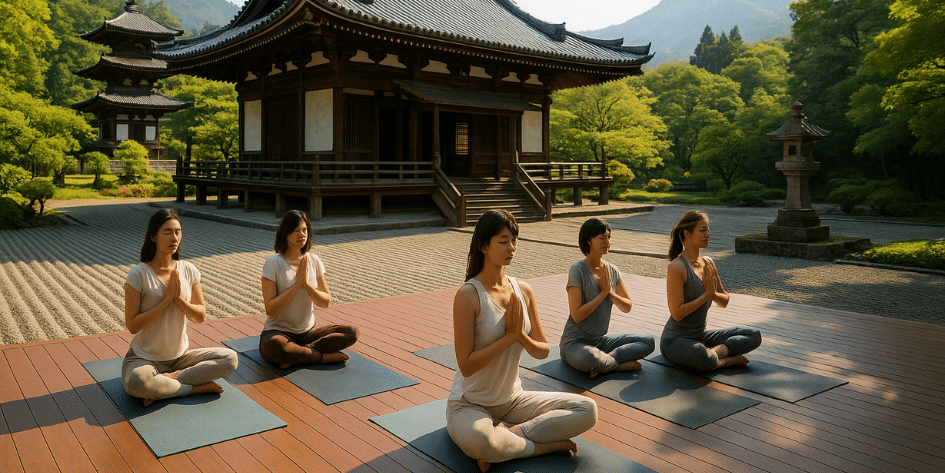
Styles and Experiences: Ashtanga yoga retreat japan, Vinyasa Weeks, Healing Retreat Japan, and Zen Stays
Ashtanga Intensives and Mysore Weeks
Ashtanga formats do appear in Japan though dates are limited and often hosted by visiting teachers. Expect Mysore mornings, technique clinics, and afternoon philosophy. Programs may pop up seasonally in metro studios or mountain inns. Check calendars and teacher bios for lineage and assist style. Editor verified.
- Best for. Practitioners with established primary series.
- Standout. Focused mornings and low distraction venues.
- Tip. Confirm prop availability and room heating for winter sessions.
Vinyasa and Prana-Based Flow Programs
Most weeklong japan retreat yoga schedules lean on vinyasa and hatha flows with pranayama. Examples include two class per day formats in Nagano, plus instructors with vinyasa and yin backgrounds. Himalayan Yoga Association lists Hatha Vinyasa with daily pranayama, meditation, and healing sessions across 3 to 11 day retreats, often set in countryside or mountain locations and open to all levels [3][6].
- Best for. Mixed level groups and friends booking together.
- Standout. Breath forward mornings and restorative evenings [6].
- Note. Yin or nidra adds balance on hiking days.
Zen Monastery Japan Stay and Buddhist Experience Japan
Zen and Buddhist experiences thread through several programs. In Kyoto, curated retreats schedule dedicated zazen days and temple craft sessions. In Kyushu, zazen is led by a local monk and framed by tea ceremony and calligraphy meditation. The effect is a reset on mental posture that carries into asana and life back home [1][4].
- Best for. Those who value mind training as much as movement.
- Standout. Monk led sessions with cultural context [1].
- Tip. Embrace silence blocks. They unlock depth in simple ways.
When I practiced Ashtanga intensives in Japan, I realized how clean and distraction-free the settings tend to be. We’ve also led groups through vinyasa- and meditation-heavy weeks, and I’ve noticed that Japanese environments amplify breath and stillness in a unique way. Zen days, especially, continue to shape how I guide students back home. If you’re deciding on style, choose the one that supports the rhythm you want—not the one that sounds the most impressive.
When to Go and What It Costs: yoga retreat japan June 2025, Pricing, and Logistics
Seasonal Windows, Festivals, and Weather
June 2025 is green and humid in much of Japan. It works for forest and onsen retreats if schedules skew toward indoor practice and evening walks. Autumn is the sweet spot. Nagano and Kyoto list October dates with leaf color and cooler nights, great for vinyasa by day and nidra at night [3][4]. Coastal and island weeks run well in late spring and early autumn while avoiding typhoon peaks. As of 2026, Okinawa islands list April silent meditation weeks that side step summer heat [5].
- Spring. April and May for cherry and tea. Kyushu cultural sets publish April weeks [1].
- Rainy season. June requires flexible plans. Forest and onsen are friendly then.
- Autumn. October for color in Alps and Kyoto, with many published dates [3][4].
- Winter. Temple stays work. Outdoor sessions need heating and shorter holds.
Average Retreat Pricing and What’s Included
Published examples show the spread. A 10 day city and temple retreat is 6,250 USD with most meals, excursions, group transport, and luggage transfers [4]. Countryside weeklong sets in Nagano list 98,500 JPY for 7 nights, with breakfast or brunch, two classes per day, and free use of village onsens [3]. Cultural immersion in Kyushu at 8 days starts at 2,450 USD with meals, airport transfers, daily practice, and multiple cultural sessions [1]. Okinawa’s 4 night silent retreat ranges 1,399 to 1,999 euros with meals and transfers [5].
Prices and inclusions can change; always confirm with the retreat host before booking.
| As of 2025 to 2026. Typical inclusions by format | |||
| Format | Length | Published price | Includes |
| City and temple curated | 10 days | 6,250 USD | Most meals, excursions, group transport, luggage transfers [4] |
| Mountain onsen village | 7 nights | 98,500 JPY | Breakfast or brunch, two classes per day, free village onsens [3] |
| Countryside cultural immersion | 8 days | From 2,450 USD | Meals, airport minibus, yoga, meditation, cultural sessions [1] |
| Silent island meditation | 4 nights | 1,399 to 1,999 EUR | Meals, transfers, daily yoga, nidra, healing practices [5] |
Editor verified estimate. A typical 5 to 8 day retreat in Japan runs roughly mid to upper range compared with Southeast Asia, reflecting higher transport and venue costs. Always confirm what is and is not included before paying deposits.
Visas, Etiquette, and Packing Essentials
- Check entry rules. See the Japanese Ministry of Foreign Affairs visa portal for current requirements and exemptions for your passport. Link text. Ministry of Foreign Affairs Japan
- Etiquette basics. Quiet indoor voice, socks ready for tatami rooms, and mindful bathing etiquette in onsen. Public nudity zones are separated by gender and require a wash before soaking.
- Packing list. Light layers, quick dry clothing, a warm top for dawn sessions, small towel for onsen, reusable water bottle, and any personal props you prefer. Trainers for hikes and sandals for baths.
Small note. Many hosts provide mats and props, so check gear lists to avoid extra luggage [1].
From my experience guiding retreats, the season changes everything. June has given us some of the most beautiful forest walks—but also surprise rain plans. October consistently delivers magic, especially in Nagano and Kyoto. I always tell students: don’t just pick dates, pick energy. And when it comes to price, Japan isn’t the cheapest, but every time we run a retreat here, the depth of culture and care makes it worth it.
FAQ: Yoga in Japan and Global Comparisons
Which country has the best yoga retreats?
There is no single best country. Bali and Thailand dominate budget and volume. Japan excels when practice is meant to sit inside culture and contemplative traditions. If tea ceremony, zazen, and onsen sound like practice partners rather than extras, Japan wins for that style. Editor verified.
Is yoga a thing in Japan?
Yes. Multiple published programs show daily yoga paired with pranayama, meditation, and healing sessions, set in cities, countryside, and islands [1][3][4][5][6]. What stands out is integration with zazen, tea, and calligraphy rather than a purely studio model [1][4].
How much does the average retreat cost?
Based on 2025 to 2026 listings. Four nights on an island is roughly 1,399 to 1,999 euros [5]. A week in a mountain village runs near 98,500 JPY [3]. An 8 day countryside immersion starts at 2,450 USD [1]. A 10 day curated city and temple retreat lists 6,250 USD [4]. Editor verified estimate. Many 5 to 8 day sets sit between 1,500 and 3,000 USD depending on inclusions.
What is the cheapest country for a wellness retreat?
Cheapest usually means lower venue and meal costs. Southeast Asia tends to undercut Japan on price due to local cost structures. Japan delivers value through cultural integration, onsen access, and high service standards. Choose based on desired experience rather than headline price. Editor verified.
Is Japan or Bali better for a yoga retreat?
Bali suits those wanting lots of studio choices, drop in classes, and lower prices. Japan suits those who want mindful culture embedded in the program, smaller groups, onsen nights, and temple days. If silence and ritual appeal, Japan is the better fit. If budget and variety are top priorities, Bali wins. Editor verified.
Conclusion and Next Steps
Japan’s retreat landscape in 2025 tilts toward thoughtful, small group programs that tie yoga to place. City to temple weeks give you movement plus meaning. Mountain onsens anchor body recovery. Islands put silence front and center. Pricing reflects inclusions and the country’s higher venue costs. The payoff is depth and calm that carry home.
If you want help choosing the right retreat in Japan, you can explore all my upcoming retreats here → Upcoming Retreats
What I Personally Recommend
After years of scouting and guiding yoga retreats across Japan, here’s what I honestly recommend based on what I’ve seen help students the most:
• For first-timers:
Choose Kanto — Tokyo + Nikko or Kamakura. Easy logistics, balanced energy, and gentle immersion into Japanese culture.
• For nature + onsen lovers:
Go with Nagano or the Fuji region. These are the places where I consistently see people decompress within 24 hours.
• For culture + heritage seekers:
Kyoto and Koyasan have the strongest temple rhythm. Zazen in these areas changes people.
• For deep cultural immersion:
Nothing beats Kyushu — tea ceremony, zazen with local monks, craft workshops, cooking sessions, and slow countryside life.
• For meditation + silence:
Okinawa (Ishigaki Island) every time. Island light + structured silence resets the system.
• For breathwork-focused weeks:
The Alps & Fuji areas feel made for pranayama — clean air, forest energy, and space to settle.
If you’re unsure, choose the region whose landscape supports the inner state you want to cultivate. That’s always the right retreat.
Mistakes & Lessons Learned
After guiding many retreats and traveling through these regions myself, I’ve seen the same patterns show up. Here are the big lessons that help guests the most:
1. Underestimating travel time
Japan looks small, but moving between cities can take far longer than expected — especially during busy seasons.
2. Choosing dates without considering weather windows
June is beautiful, but it requires flexibility. October is consistently reliable. Islands need buffer days.
3. Not preparing for onsen etiquette
Washing before entering and gender-separated areas surprise people every time.
4. Overpacking props and gear
Most retreat centers in Japan provide mats, bolsters, straps, blankets — travel lighter.
5. Mixing retreat with heavy sightseeing
Trying to “see everything” kills the retreat energy. Japan rewards slowness.
6. Ignoring temperature differences between regions
Kyoto humidity, Tokyo heat, Nagano cool mornings, and Hokkaido chill all require different layers.
7. Struggling with silence blocks
Every time someone leans into silence — even if it’s uncomfortable at first — the depth of the retreat shifts instantly.
If you can avoid these mistakes, your yoga retreat in Japan becomes smoother, deeper, and far more transformative.
Recommended Next Steps
- Pick your landscape. City and temple, mountain and onsen, or island and reef.
- Match your style. Vinyasa plus pranayama, meditation forward, or Ashtanga intensives.
- Confirm dates and inclusions. Meals, transport, zazen days, and gear lists [1][3][4][5].
- Time box your season. June for forests, October for color, April for islands [1][3][4][5].
How to Choose Your Region
- Kanto. Culture hits with hiking and temple meditation. Works for first timers [4].
- Kansai. Heritage emphasis and deep zazen options [4].
- Alps and Fuji. Onsen recovery and forests with steady practice blocks [3].
- Kyushu. Hands on culture with daily yoga and guided rituals [1].
- Okinawa. Silent weeks and ocean light with healing sessions [5].
One last thought. A retreat yoga japan week feels different when mornings begin in cedar shade and evenings end in hot spring steam. Pick the place that makes that picture feel true. Then book with clarity and pack light. Your yoga retreat in Japan awaits.
References
Himalayan Yoga Association. Yoga Retreats in Japan. Program structure and practices. Accessed 2025.
Prana Retreat Japan. Yoga and Culture Retreat package in Fukuoka countryside. Published program details and pricing. Accessed 2025.
BookYogaRetreats. Top 10 Yoga Retreats in Japan for 2025 and 2026. Platform listing. Accessed 2025.
Nozawa Holidays. Yoga Retreat Japan Nozawa. Packages, dates, prices, and inclusions. Accessed 2025.
YogaOne Studio. Kyoto and Tokyo Yoga Retreat 2025. Itinerary, pricing, and inclusions. Accessed 2025.
Om and Flow Yoga. Japan Retreat Ishigaki Island. Silent mindfulness retreat dates, inclusions, and pricing. Accessed 2025.