Table of Contents
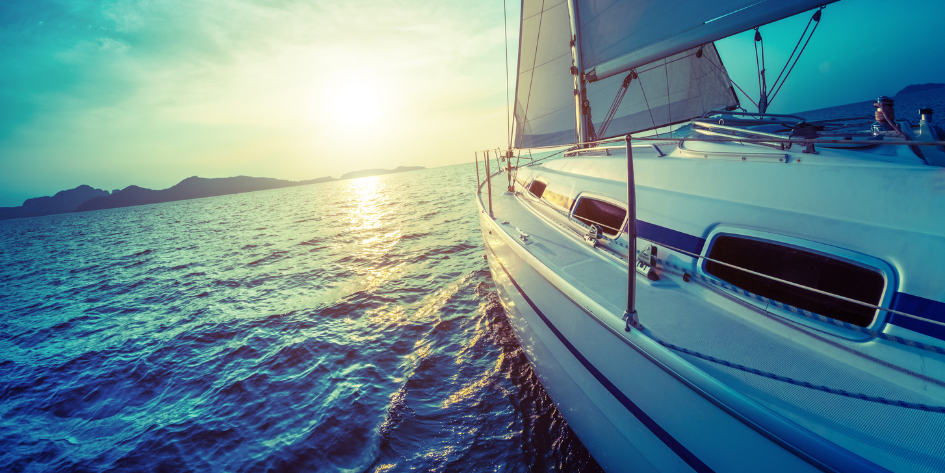
Salt in the air, sun on the skin, and the gentle creak of rigging as the boat rocks with the afternoon breeze. A sailing yoga retreat blends mindful movement with slow travel on the sea, turning each day into a rhythm of sunrise flows, short sails, and shore time that feels refreshingly simple.
A sailing yoga retreat is a week on a sailboat with daily yoga, short and flexible sailing legs, swim stops, and meals that often use local produce. Expect morning classes on deck or ashore, lunch at anchor, docking by late afternoon, and evenings in small harbors. It’s relaxed, social, and designed for all levels of yoga and sailing [1][2].
If you’re new here, you can learn more about my background on Our Story
What Is a Sailing Yoga Retreat?
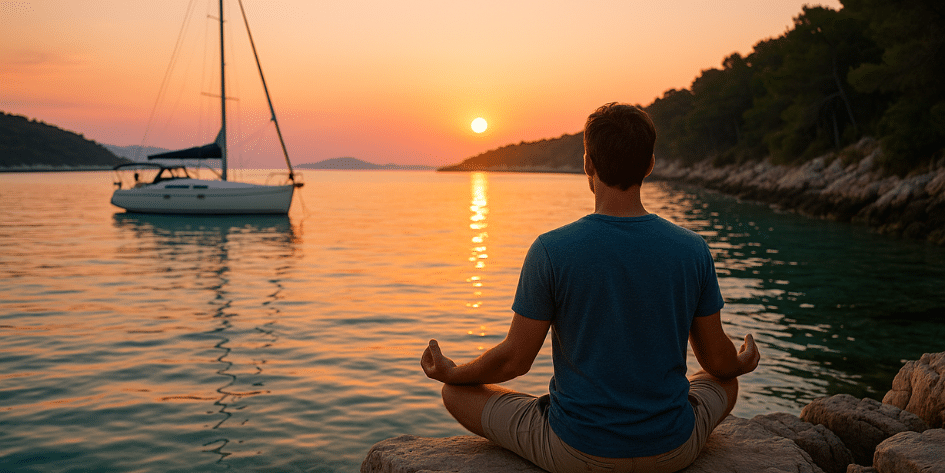
A sailing yoga retreat pairs two things people often chase for the same reason. Peace of mind and time outside. You move through structured yoga practices and unstructured sea days that favor curiosity over checking boxes. Mornings tend to start with guided practice on a flat, shaded spot near the water. Harbor walls. Courtyards beside whitewashed churches. Café terraces that smell like coffee and fresh bread. That detail is not romantic fluff. Greek operators often choose land sites for stability and shade, then sail later when winds settle into predictable patterns [1].
Onboard life stays beautifully simple. Breakfast follows yoga while the skipper preps the boat. The next island is usually close, which means short legs rather than long passages. Many Ionian itineraries keep sailing to one or two hours, with calm seas and sheltered routes that suit first-timers as well as experienced sailors who want an easy week [1]. Lunch happens at anchor. Swim. Snorkel. Maybe a quick lesson in breath awareness that surprisingly ties in with free diving basics. Nothing is pushed. Everything is gentle and allowed to evolve on its own [1].
Afternoons bring dock lines, local walks, and dinner either onboard or in a family-run taverna. In Croatia, some routes weave through Hvar, Vis, Korčula, and Mljet, then pull into Dubrovnik for a final sunset over tiled roofs and stone walls [2]. In Greece, the mix might be Kastos, Ithaca, and Lefkada, with night skies so clear you can spot craters on the moon through an onboard telescope. That last image shows a familiar pattern. A Sailing yoga retreat can trade noise for star light. People often call it “the reset button” without needing quotes at all [1].
When I first hosted a sailing yoga retreat in the Ionian, I didn’t expect how quickly people would shift out of “normal life mode.” By the end of day one, you could literally see everyone’s shoulders drop. The simplicity of mornings on land, coffee smells drifting through a small harbor, and then a short sail after breakfast—it changes people fast. Even guests who were nervous about yoga or sailing arrived tight and left glowing.
Choosing the Right Destination: Croatia vs. Greece
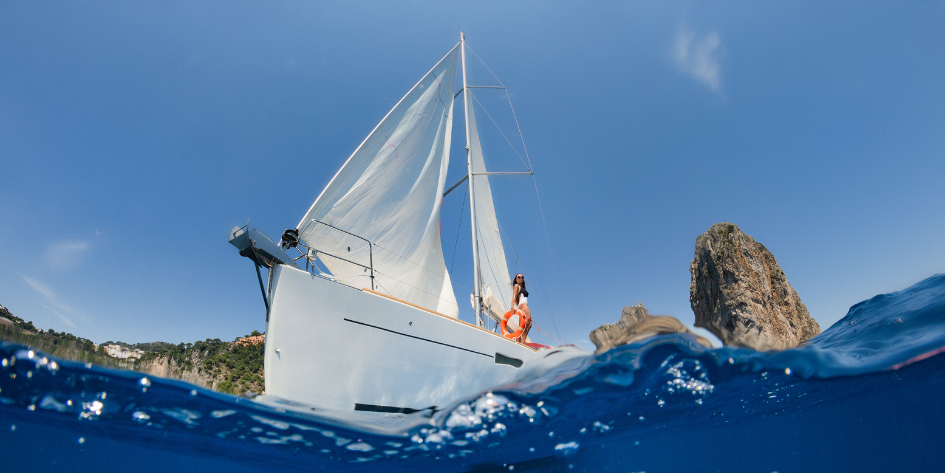
Both countries work brilliantly for a sailing yoga retreat. The difference sits in texture. Croatia leans dramatic with fortified towns, national parks, and well-marked highlights. Greece, especially the Ionian, leans sheltered with soft breezes, slower harbors, and stories that feel lived-in rather than stage-lit. Season timing matters. Shoulder months often mean calmer marinas, less midday heat, and slightly friendlier rates [1].
| Aspect | Croatia | Greece |
| Classic route feel | Split to Dubrovnik with Hvar, Vis, Korčula, Mljet as highlights [2] | Ionian islands such as Kastos, Ithaca, Lefkada with sheltered hops [1] |
| Wind pattern | Summer afternoon breezes with light to moderate conditions most weeks. Editor-verified | Northwest maistros sets in each afternoon, gentle and predictable [1] |
| Yoga locations | On deck or ashore near coves and town quays [2] | Often ashore in shaded, flat spots near the sea [1] |
| Best months | May through September. July and August are busier. Editor-verified | May and June for calm seas and fewer crowds [1] |
Sailing Yoga Retreat Croatia: routes and seasons
Most Croatiasailing yoga retreat itineraries thread a greatest hits line through Dalmatia. Embarkation near Split, often Marina Kaštela with check-in around mid-afternoon and boarding shortly after, then sail to Brač for the first night in Milna. Hvar follows, often with a sunset at Vinogradske Bay and the option of a water taxi into town for evening energy without the daytime bustle [2].
Vis is a magnet. People plan for the Blue Cave, Green Cave, and Stiniva Bay, then slow down with a wine tour or simple wandering across stone lanes. Korčula is postcard-perfect and known for old turrets that somehow make sunset cocktails feel more like a history lesson than a drink. Mljet brings national park calm with lakes, monasteries, and gold light near Polače. Okuklje often sneaks in another sky show with minimal light pollution. Dubrovnik wraps the week with Old Town walks that satisfy every “those walls could talk” cliché that still works because the place earns it [2].
Season-wise, Croatia hums May to September. Early season brings cooler air and roomier quays. Mid-summer raises temperature and crowd levels, yet many operators plan short legs and smart departures to keep the vibe easy. Afternoon breezes are common, and many routes pick predictable windows that fit morning yoga and lunchtime swims. That rhythm works well for a sailing yoga retreat where daily practice sets the tone for the next gentle hop. Editor-verified
Sailing Yoga Retreat Greece: islands and winds
Greece’s Ionian side sits in the sweet spot for people who want sheltered sailing and morning yoga without whitecaps as a soundtrack. The northwest maistros breeze rolls in most afternoons in summer. Skippers pivot routes across an island if one side is exposed, often keeping sails to short hops between quiet harbors [1]. That flexibility is not marketing language. It’s how local operators plan.
Expect sessions ashore in shaded areas near the water with mats supplied or BYO for your favorite grip. Breakfast tends to reflect a pattern seen in small island stores. Fresh fruit, Greek yogurt, sesame bread, omelets, homemade jam, and local honey. Calm seas, short hops, swim breaks, and relaxed tavern dinners add up to “the kind of week people tell friends about for years” without trying to sell anything. The best time to go often lands in May or June when temperatures feel kind and the sea usually stays gentle. Dolphin sightings happen sometimes. Not always. Enough to keep people glancing at the bow when the water turns glassy [1].
Having guided retreats in both Croatia and Greece, I’ve seen the difference in body language by day three. Croatia gives people that “wow” energy, big towns, dramatic coastlines, lots of photo moments. Greece does the opposite. It softens people. The Ionian’s sheltered bays and slow harbors calm even the most restless minds. If someone tells me they’re craving deep rest, I steer them toward Greece. If they want adventure + culture + yoga, I point them to Croatia.
If you’re exploring both sea-based and land-based experiences, you can also compare with my guide to Yoga Retreats in Japan.
Life Onboard a Sailing Yoga Retreat
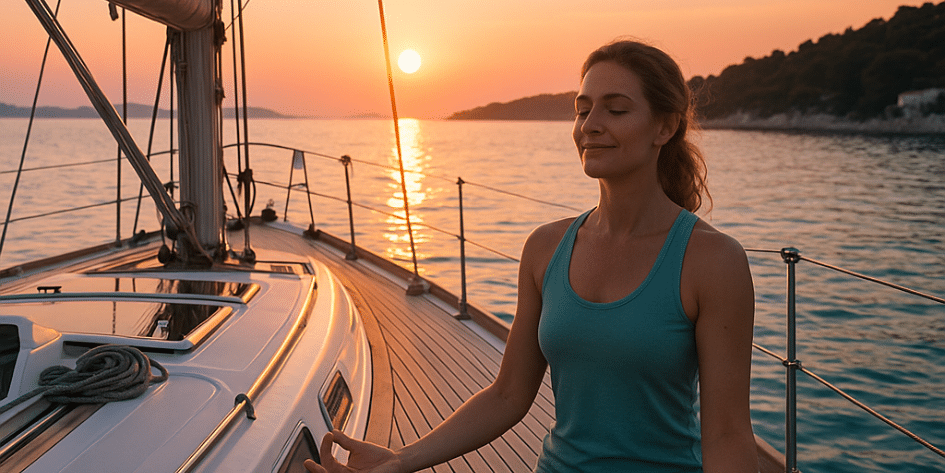
The boat is both a home and a moving studio. Small groups live close, share meals, and tuck into cabins that optimize space without feeling cramped. The day flows with intention and soft edges. Mornings anchor the practice. Afternoons invite curiosity. Evenings lean communal with “let’s see what the local place has tonight” rather than rigid plans.
Daily rhythm: sunrise flows to sunset sails
Many weeks follow a similar cadence. Morning yoga on land for stability and shade, often about ninety minutes with alignment, breathing, and a pace that meets mixed experience levels. While the group finishes savasana, the skipper or crew gets breakfast ready. Food tends to be local and simple. Fresh fruit. Yogurt. Bread. Eggs. Honey sourced from the island market rather than a big chain store. That choice directs money back into small economies where sailing tourists help sustain shoulder seasons [1].
Sailing legs are short. One to two hours is common. Swim stops slot between islands with time for snorkel sessions or breathwork that pairs with freediving basics. It fits surprisingly well. Slower breathing. Calmer heart rate. More presence in the water. Lunch at anchor. Afternoon dock in a small harbor with room to stretch legs and learn something local. Ithaca’s link to Homer. Olive groves on Kastos. These moments are small. They stick because nothing is rushed [1].
Evening meals might be onboard or at a taverna. Back on deck, clear skies often invite a casual star lesson. People notice how quickly sea living resets the noise-to-signal ratio. Someone usually says, “The sea teaches patience.” The boat agrees without making a sound [1].
Boat types, cabins, and amenities
The scale stays cozy. One example from Greece uses a yacht around thirteen meters with three double cabins, a twin bunk, and two bathrooms. That arrangement comfortably accommodates the group plus skipper and teacher, with shared spaces used thoughtfully to balance privacy and community [1]. In Croatia, an Oceanis 48 layout shows forward cabins a touch smaller than aft cabins, both workable for pairs or cabin shares. The feel is functional rather than flashy, which suits mindful travel [2].
Amenities vary by operator. Some programs include snorkeling gear, local data WiFi, and half-board with breakfast and lunch prepared by a hostess. On deck, mats may be stored aboard or guests bring personal kit. Expect compact storage, smart use of galley space, and everyday comforts rather than resort trappings. That is the point. A sailing yoga retreat doesn’t gild the trip. It invites attention to simple things that often get overlooked on land [2].
Skippers, yoga teachers, and crew roles
Strong weeks often reflect crews that trust each other. Skippers plan routes to match weather rather than force a schedule. If wind angles look feisty on one side of an island, they use the other. Yoga instructors bring varied styles from vinyasa and ashtanga to yin and breathwork, and they set a tone that meets mixed experience without pressure. Many trips include a hostess who preps breakfast and lunch, which keeps mornings smooth and leaves afternoons open for shore time and social energy [1][2].
Some operators collaborate with a small circle of teachers, each with a signature touch. Guests often span ages from mid twenties to mid fifties, with cabin-sharing options that pair people by gender if solo travelers want company without a single supplement. The pattern shows a simple truth. Community forms fast when the boat is the town and the sea is the street [1].
One thing I’ve learned through hosting: people bond unbelievably fast on a boat. You eat together, practice together, swim, sail, laugh, nap, there’s no forced connection, it just happens. I’ve watched complete strangers become friends within 48 hours. Some arrive anxious about living in close quarters and end the week sitting on the bow together watching stars. The sea has a way of dissolving awkwardness and creating community.
Sample 7-Day Itinerary for a Sailing Yoga Retreat
Weather can nudge things around, yet a typical week in Croatia paints a clear picture. A similar cadence applies in Greece with shorter hops and shaded yoga spots ashore. Here is a Croatia week that balances yoga, sailing, and shore highlights without packing the schedule to the brim [2].
Day-by-day highlights and anchorages
- Day one. Embark at Marina Kaštela near Split mid afternoon. Short sail to Milna on Brač for a gentle harbor night and first dinner ashore [2].
- Day two. Morning yoga. Swim stop. Lunch at anchor. Sail to Vinogradske Bay near Hvar. Optional water taxi into Hvar town for sunset drinks and evening energy [2].
- Day three. Early start toward Vis. Blue Cave, Green Cave, and Stiniva Bay on a local fast boat. Afternoon in Vis with a wine tour or a slow wander. Evening back on deck [2].
- Day four. Sail to Korčula. Explore the fortified old town, find a turret for sunset, choose a restaurant with sea views. The words “perfect” and “photo” get used a lot for good reasons [2].
- Day five. Swim then lunch. Head into Polače on Mljet. Cycle the lakes. Visit the monastery. Dinner at a waterside taverna with warm lamplight [2].
- Day six. A short hop to Okuklje on Mljet. Old fishing bay energy. Beach time. Star gazing when lights drop to almost nothing [2].
- Day seven. Final swim stop. Sail down to Dubrovnik. Walk the Old Town walls. Sunset that turns every stone warm. Late night option for those who want it [2].
Notes. Routes can shift for regattas or weather. Greece follows a similar shape with one to two hour sails around Ithaca, Kastos, and Lefkada, daily yoga ashore in shaded spots, and frequent breakfast spreads sourced from small island stores [1].
Practices: vinyasa, yin, meditation, and breathwork
Balanced retreats use mixed modalities. Mornings lean vinyasa or ashtanga to wake the body with slow build strength and openers. Evenings favor yin under shade with longer holds that meet the sea’s pacing. Meditation shows up in short sets that tie to breath awareness. Pranayama often anchors the move from practice to sailing, and on some weeks there’s an optional intro to freediving that uses the same calm breathing to settle the nervous system. Nothing is pushed. Progress shows up in quiet ways that you can feel without a scoreboard [1].
Who This Experience Is For: Levels, Fitness, and Safety
This format suits a wide spectrum. People new to yoga feel welcome with clear modifications. Experienced practitioners use the setting to refine alignment and attention. First-time sailors are often surprised by how easy short, sheltered legs feel when the plan purposefully avoids long passages.
First-timers vs. experienced yogis and sailors
Groups mix ages and backgrounds. Many programs in Greece note that guests span from twenties to mid fifties, with a tilt toward women yet everyone encouraged to join. Lessons adapt to the room with teachers who know how to make each session both accessible and meaningful. Sail handling can be hands-on or hands-off depending on interest. The skipper often invites guests to try a tack or take the helm for a few minutes. The sea has a way of turning a quick lesson into a small victory that lights up the rest of the day [1].
Seasickness, swim comfort, and safety briefings
Sheltered island routes reduce motion and trim the risk of queasy legs. Short hops help even more. People sensitive to motion can pack simple remedies and choose a week with calmer months like May or June. Swim comfort matters for the fun parts. Snorkel stops feel better when you like being in the water. Safety briefings cover deck movement, life jackets, and how to enter and exit the water at anchor. Good crews set a tone that respects comfort without keeping anyone from the moment. Editor-verified
How sailing yoga retreats differ from land-based yoga retreats
Land retreats center around a fixed studio and predictable schedules. Sailing yoga retreat move the studio to where the light is kind and the ground is stable, then let the wind call the day’s plan. Meals swing between onboard and local tavernas. Cabin life is cozy. Group bonds form quickly. Many operators source breakfast at small stores, which directs money to local families rather than chains. That community element matters. It supports the islands that make these weeks feel so different from standard resort weeks [1].
If you prefer cooler climates, geothermal baths, or volcanic landscapes instead of sea life, my guide to Yoga Retreats in Iceland offers a completely different but equally transformative experience.
What to Pack and What to Wear to a Yoga Retreat at Sea
Packing follows three themes. Grip and comfort for practice. Quick-dry and sun-smart for the deck. Compact and low waste for the environment. The boat appreciates simplicity. So does the sea.
Clothing, mats, and non-slip essentials
- Yoga wear. Breathable tops and bottoms that move without fuss.
- Mat. Travel mat or bring your favorite. A grippy towel helps on deck.
- Deck feet. Barefoot for practice. Light deck shoes for moving around.
- Layers. Lightweight long sleeve and a windbreaker for evenings.
- Swim kit. Two suits. Rash guard for sun. Quick-dry cover up.
- Sun gear. Hat, polarized sunglasses, reef-safe sunscreen.
What to wear to a yoga retreat at sea is less about fashion and more about function. Quick-dry fabrics prevent damp clutter. Neutral tones hide salt marks. Pack less than you think and wash as you go. The boat is a tidy teacher.
Compact toiletries and eco-friendly gear
Small first aid. Motion remedy, bandages, antiseptic wipes.
Solid toiletries. Shampoo bar, conditioner bar, and soap with biodegradable formulas.
Reusable water bottle. Fill from onboard supply or shore cafés.
Dry bag. Keep phone and essentials safe on dinghy rides.
Microfiber towel. Quick dry for deck and shore.
We’ve had guests step onboard worried about seasickness, yoga level, age, fitness—you name it. And almost always, the sea teaches them how to relax into the process. I’ve seen people who felt uneasy about sailing end up napping peacefully under a shaded sail by day two. I’ve also seen beginners make more meaningful progress in one week at sea than in months at home, simply because the environment supports presence.
Sailing Yoga Retreat Cost and Budgeting
Prices vary with boat size, inclusions, and season. As of 2025, a week in Greece often sits around nine hundred fifty to one thousand fifty euros excluding flights. Croatia programs with more inclusions can start around one thousand seven hundred ninety euros per person for seven days with half board and core onboard fees included [1][2]. Those anchors make comparison possible without a spreadsheet obsession.
When I hosted in Croatia, I learned quickly that marina fees and local dinners can vary more than you expect — which is why I always tell guests to confirm inclusions before choosing a week.”
Always remember that prices and inclusions may change; always confirm directly with the provider before booking.
What’s included vs. extra expenses
- Common inclusions. Seven nights on the yacht. Skipper, hostess, and yoga instructor. Breakfast and lunch. Marina and port fees. Final cleaning. Local tourism taxes. Basic snorkeling gear. Local data WiFi. BYO alcohol on many weeks [2].
- Typical extras. Dinner ashore. Optional excursions like a fast boat to the Blue Cave. Crew dinners on private charters. Fuel for private charters at week’s end. Water taxis to Hvar. Personal travel insurance [2].
Greece programs often source breakfast from small island stores and include daily yoga with mats available onboard. Optional local guides or history walks may carry a small fee and are worth every cent when they unlock a story that turns the map into a memory [1].
How to compare providers and seasons
| Filter | Why it matters | What to look for |
| Boat size | Space vs intimacy | Cabin count, bathroom count, deck layout, monohull vs catamaran. Editor-verified |
| Crew roles | Service flow | Skipper, hostess, instructor included with clear responsibilities [2] |
| Yoga scope | Practice depth | Daily sessions, styles offered, ashore vs onboard [1] |
| Season | Costs and crowds | May and June for calm and value. July and August busier and warmer [1] |
| Inclusions | Budget clarity | Marina fees, cleaning, taxes included. Fuel policy noted [2] |
Booking Smart: Dates, Boats, and Yoga Retreat Cancellation Policy
Good planning sets the tone. Availability moves fast in shoulder months, and policies differ by operator. Read the fine print. That quiet habit can save a headache later.
Deposits, insurance, and refund terms
- Choose dates that fit wind patterns and your calendar. May or June often bring calmer seas in Greece [1].
- Confirm the boat, cabin type, and inclusions. Note whether half board is provided and which fees are covered [2].
- Review the yoga retreat cancellation policy. Some platforms list free cancellation windows such as up to sixty days before start. Policies vary by provider and destination [3].
- Place a deposit only after reading refund terms. Time-boxed partial refunds are common. Editor-verified
- Add travel insurance that covers trip interruption, medical care, and missed connections. Sea weeks deserve solid safeguards. Editor-verified
Here’s the thing. If a policy looks vague, ask for specifics in writing. Providers willing to clarify details usually deliver better weeks on the water too.
Solo travelers, cabin-sharing, and group bookings
Solo travelers often choose cabin-sharing by gender to avoid single supplements. Many operators allow a private cabin for an added fee when available. Small friend groups can charter a full boat, set shared expectations, and enjoy the freedoms of a private itinerary shaped by your teacher and skipper. The social fabric thrives either way because the boat becomes the common ground [1].
How to Host at a Sailing Yoga Retreat
Teachers who want to host a yoga sailing retreat often partner with local operators that provide the boat, skipper, and hostess. The teacher brings programming, guest care, and the tone. Collaboration is key. When the crew and teacher flow together, guests feel safe to rest and explore.
Qualifications, collaborations, and charter options
Yoga teachers typically hold RYT credentials with experience across levels. Hosting on a sailboat adds a few practical skills. Clear voice projection, smart sequencing for warm environments, and an eye for safety in shared spaces. Many operators invite teachers to bring students and build a week together. Some programs list specific instructors and styles for set dates, which helps guests choose a week that suits their practice goals [1][2].
Charter choices include shared weeks with mixed guests or private charters for a closed group. Private weeks may handle fuel and crew dinners differently at the end of the trip. Confirm the business side early so the teaching side can stay focused on presence and care [2].
Curriculum design, meals, and guest care
Design the week like a score. Early practices build foundation. Midweek adds themed work around breath, balance, or hips. Evenings go softer with yin or meditation to honor the day’s movement. Meals follow a half board rhythm with breakfast and lunch onboard and dinners ashore to support local restaurants. Daily check-ins invite guests to share how they feel. A small pivot here or there keeps the week aligned with the group rather than a fixed script [1][2].
Sustainability and Responsible Sailing Yoga
Sailing yoga retreats tend to be low impact compared with resort formats. When they source food locally, anchor for lunch rather than motor long distances, and choose smaller harbors, they support the same communities that keep these islands alive. That choice matters over time. It builds resilience rather than strain [1].
Low-impact sailing and plastic-free practices
- Use refillable bottles and bulk water. Ditch single-use plastics.
- Carry solid or biodegradable toiletries. Keep gray water clean.
- Favor sail time over engine time when weather permits. Editor-verified
- Buy food in small island stores. The money stays in the community [1].
Respecting marine life and local communities
Dolphins sometimes visit. Watch, enjoy, and keep distance. Snorkel with awareness of fish and fragile habitats. On shore, ask before photographing people or private spaces. Listen to local history with humility. People often choose these weeks for the same reason locals choose to stay. Love of place and its stories [1].
FAQs
Is a sailing yoga retreat worth it?
For most people who want deep rest with meaningful movement, yes. Daily yoga, short sails, swim stops, and nights in small harbors create a reset that land retreats rarely match. The format also supports local communities through small store shopping and tavern dinners [1].
What is included in a sailboat yoga retreat?
Typical inclusions are seven nights onboard, skipper, hostess, and instructor, breakfast and lunch, marina and port fees, final cleaning, local taxes, basic snorkel gear, and often local data WiFi. Extras can include dinners ashore, optional excursions, crew dinners on private charters, and fuel for private charters [2].
Can beginners join a yoga and sailing retreat?
Yes. Classes adapt to all levels with gentle progression. Sailing legs are short and sheltered, often one to two hours, and skippers adjust routes to calmer sides of islands when needed. Comfort in the water helps for swim stops yet is not required [1].
How much does a sailing yoga retreat cost?
As of 2025, Greece weeks often range from nine hundred fifty to one thousand fifty euros excluding flights. Croatia programs that include half board and core fees can start around one thousand seven hundred ninety euros per person for seven days. Prices vary by season, boat, and inclusions [1][2].
What should I pack for a sailing yoga retreat?
Bring breathable yoga wear, a travel mat or grippy towel, sun-smart layers, quick-dry clothing, a hat, polarized sunglasses, reef-safe sunscreen, solid toiletries, a reusable bottle, a dry bag, and a small first aid kit. Pack light. The boat rewards simplicity.
Conclusion
Next steps to plan your sailing yoga retreat
Choose your sea. Croatia for dramatic towns and national park calm. Greece for sheltered hops and shaded yoga ashore. Pick shoulder months for easier winds and fewer crowds. Confirm inclusions and refund terms in writing. Then let the week build around sunrise flows, short sails, and one simple truth. When practice and the sea share the day, perspective changes quietly in the best way.
The takeaway is straightforward. A sailing yoga retreat works because it sets gentle structure and leaves room for wonder. The next step is to shortlist dates, compare providers, and lock in a cabin that fits. A sailboat yoga retreat turns small moments into lasting memory. The sea often does that, and yoga just helps you notice.
If you’d like help choosing the right sailing retreat, you can browse all my upcoming programs here → Upcoming Retreats.
What I Personally Recommend
After hosting and scouting multiple sailing yoga retreats, here’s what I genuinely recommend:
• If it’s your first sailing retreat:
Choose Greece (Ionian Islands). Short, sheltered sailing legs + shaded yoga spots + calm seas = the smoothest intro.
• If you want dramatic towns + big scenery:
Pick Croatia. The mix of Hvar, Vis, Korčula, Mljet + Dubrovnik gives every day a “highlight moment.”
• If you’re prone to seasickness:
Greece.
May and June are especially gentle.
• If you want culture + yoga + adventure in equal balance:
Croatia almost always wins.
• Best months overall:
• Greece → May–June
• Croatia → June + September
• If you’re traveling solo:
Greece tends to feel more intimate and grounding.
Croatia tends to feel more social and energetic.
• My personal favorite if I could choose only one:
Greece in late May—warm water, calm seas, easy yoga mornings, and quieter harbors.
Mistakes & Lessons Learned
After running these retreats, here are the patterns I’ve seen most often, and how to avoid them:
1. Booking peak-season weeks.
July and August are beautiful but crowded, hot, and windy. Shoulder months = smoother sailing + better prices.
2. Overpacking.
Cabins are cozy. You need way less than you think. Light, quick-dry, and simple always works.
3. Underestimating close living on a boat.
Community forms fast, but privacy is limited. Set expectations and embrace the simplicity—you’ll enjoy it more.
4. Not checking cancellation + fuel + marina fee policies.
Each provider is different. Always confirm in writing.
5. Expecting a luxury resort instead of cozy boat life.
It’s beautiful, comfortable, but not “hotel luxury.” The charm is the simplicity.
6. Not preparing for seasickness triggers.
Even calm seas can surprise people. Pack a remedy. Choose good months. Pick the right cabin.
7. Skipping the shaded morning practice ashore.
It’s a game changer for alignment + grounding + mood. Don’t miss the mornings—they set the tone for the day.
Avoid these and your sailing yoga retreat becomes effortlessly smooth, restorative, and unforgettable.
References
- Owen C. Yoga and sailing vacations in Greece. Responsible Travel. https://www.responsiblevacation.com/vacations/unusual-combinations/travel-guide/greece-yoga-and-sailing. Published 2025. Accessed November 4, 2025.
- Med Sailing Holidays. Yoga Sailing Croatia. https://www.medsailingholidays.com/yoga-sailing. Published 2025. Accessed November 4, 2025.
- BookRetreats. The 10 best Sailing or Boat Retreats for 2025 and 2026. https://bookretreats.com/s/other-retreats/sailingboat-retreats. Accessed November 4, 2025.
- BookYogaRetreats. Top 10 Yoga Sailing Retreats for 2025 and 2026. https://www.bookyogaretreats.com/all/c/yoga-sailing. Accessed November 4, 2025.