Table of Contents
A self care retreat is not indulgence. It is a structured pause that gives your body, mind, and spirit the breathing room they need to reset. When the warning lights stack up, a retreat for self care can turn down the volume on stress, restore sleep, and reconnect you with what matters.
Definition. A self-care retreat is a short-term, intentional break that uses guided practices like movement, mindfulness, nature time, and rest to relieve stress and reset daily rhythms. It can be a wellness retreat away from home or a self care getaway you design at home for targeted recovery.
What a self care retreat really looks like
Core elements of a retreat focused on self care
Most people picture spa robes and a massage. That can be part of it, but a retreat focused on self care usually blends four pillars that work together.
- Guided practices. Yoga, Tai Chi, breathing, forest therapy, and sound meditation calm the nervous system and teach skills you can keep using at home. Day programs like The Morton Arboretum’s wellness retreat combine these elements in nature for a powerful one-day reset. Prices there start near 140 dollars, with member rates lower. As of 2025 this shows what a compact format can offer without travel costs. [1]
- Rest and sleep. A quality retreat builds real downtime into the schedule. That might mean quiet hours, digital breaks, and sleep-supporting routines backed by sleep hygiene research. [10]
- Nutrition and hydration. Simple, nutrient-dense meals and tea rituals steady energy and mood. Many programs accommodate dietary needs and keep caffeine moderate to avoid jitters.
- Reflection and community. Journaling, small-group circles, or one-on-one coaching help translate experience into insight. This is where most of the lasting change clicks.
Here is the thing. A retreat works because it removes friction. Fewer decisions, fewer screens, more nature. That reduction in inputs lets your body downshift, which shows up as relaxed shoulders, less clenching in the jaw, and that lighter feeling behind the eyes.
Wellness retreat vs getaway for self care
A wellness retreat is hosted. It comes with a schedule, practitioners, and an environment designed for recovery. An urban option, like Spa + Social at Palmer House in Chicago, offers spa treatments, fitness classes, and curated packages that combine rest with city amenities. This format works when time is tight and convenience matters. [3]
A getaway for self care can be self-directed. Think two days at a cabin or a solo self care retreat at a quiet hotel with a personal plan. Hosted retreats reduce planning and add structure. DIY retreats allow you to tailor the pace, budget, and privacy. Both can be effective. The choice depends on whether external support or autonomy is what you most need right now.
Physical signs you need a retreat now
Chronic fatigue and sleep debt
Sleep debt accumulates when nightly sleep falls short of your physiological need. It shows up as heavy eyelids after lunch, reliance on stimulants, and the classic second wind late at night. Research links short sleep with mood changes, reduced immunity, and accident risk. Addressing sleep debt is one of the fastest wins a self-care retreat can deliver. [10]
- Quick checks. You fall asleep within minutes whenever you sit down. You wake before the alarm yet feel unrefreshed. You need caffeine to function past 3 p.m.
- Retreat fix. Build a slow evening window, cut screens two hours before lights out, and use guided breathwork to lengthen exhalations, which helps the parasympathetic system take the lead.
Stress symptoms you can’t shake
Stress is not just mental. It is a full-body cascade. Persistent tension headaches, clenched jaw, gut discomfort, and elevated resting heart rate all suggest sympathetic overdrive. The APA’s reporting on stress shows sustained pressure is common, with anxiety and irritability high across age groups. Targeted practices like mindfulness-based stress reduction reduce worry and improve sleep quality. [5][6]
- Quick checks. Your shoulders live near your ears. You grind teeth at night. Small problems feel like big ones.
- Retreat fix. Mindfulness, tai chi, and nature immersion lower cortisol and blood pressure within hours. Forest therapy sessions have documented benefits for mood and stress biomarkers. [1][7]
Frequent illness or pain flare-ups
Chronic stress dampens immune function and can trigger inflammatory flare-ups in conditions like migraine and IBS. If every cold sticks around or pain spikes whenever work ramps up, the pattern points to an overloaded system. A retreat cannot treat disease, but it can create space to interrupt triggers and rebuild basic health behaviors in a lower-stress environment. [11]
- Quick checks. You catch what everyone is passing around. Pain spikes when sleep drops. You recover slowly after minor illnesses.
- Retreat fix. Gentle movement, consistent meals, and deep rest support immune resilience. A guided schedule keeps you from pushing through when you should pause.
Mental and emotional signs it’s time to pause
Irritability, anxiety, or persistent low mood
There is a difference between a rough week and a stuck state. When irritation becomes your baseline, when worry runs in the background all day, or when low mood lingers, a reset is overdue. Burnout is now formally recognized and shows up as emotional exhaustion and reduced efficacy. A short retreat interrupts the loop and gives you tools to shift state more reliably. [12]
- Quick checks. You snap at small things. You feel keyed up without clear cause. Joy feels out of reach.
- Retreat fix. Daily meditation, group support, and journaling create perspective and reduce rumination.
Decision fatigue and brain fog
Constant micro-decisions drain cognitive bandwidth. The brain loves patterns. When everything is ad hoc, executive function gets taxed. Decision fatigue often pairs with forgetfulness and that foggy feeling you cannot quite shake. Retreat schedules reduce decisions and reintroduce rhythms. That structure quietly restores clarity.
- Quick checks. You stand in front of the fridge and forget why. Small tasks pile up. You postpone choices until the last minute.
- Retreat fix. Pre-set flow, fewer choices, and single-task focus clear mental clutter.
Loss of joy in once-loved activities
When coffee tastes dull, music feels flat, and the hobbies that used to light you up now look like chores, the signal is strong. Joy needs attention and space. A self wellness retreat gives your senses something different to work with and often rekindles delight through novelty and rest.
Retreat fix. Nature walks, creative sessions, and slow mornings gently reawaken pleasure centers. [7]
Quick checks. You skip what used to energize you. You feel numb more than sad.

Top destinations and retreat formats
Self care retreat California, Florida, and Arizona
California blends coastal calm with mature retreat ecosystems. Yoga and mindfulness programming is strong, and the climate supports year-round outdoor practices. Florida adds warmth and water therapy. Cities like Miami combine spa access with beach time. Arizona is the desert option. Sedona, in particular, is known for red rock scenery and contemplative experiences. Many travelers seek self care retreat Arizona formats that combine hiking, meditation, and quiet evenings. Choose settings that invite stillness and keep logistics simple.
Bali self care retreat and other international options
Bali has become shorthand for rest and reflection. Ubud and coastal areas host yoga, breathwork, and meditation in lush environments, often with plant-forward menus and daily movement. A Bali self care retreat works well when cultural immersion and nature are priorities. Other international options include Tuscany for slower food rhythms and coastal Spain for accessible flights and balanced schedules. Programs centered on community, rest, and skills travel well.
Spiritual retreats and solo self care retreat
Spiritual retreats emphasize inner work through silence, prayer, or contemplative practices. These suit people who feel off-purpose. A solo self care retreat gives full control over pace and privacy. It is especially effective for decision fatigue, boundary work, and creative blocks. Bring a simple plan so you avoid swapping work for planning.
What to expect: services, schedules, and reviews
Services offered by the self care retreat
Common services include yoga, tai chi, forest therapy, sound meditation, massage, journaling circles, and tea rituals. Hosted programs like The Self Care Retreat for women emphasize sisterhood, cultural immersion, and reflective practices that center rest. Expect thoughtfully curated experiences rather than a packed schedule. [1][4]
- Skills. Breathwork, mindfulness, gentle movement, and sleep routines.
- Support. Facilitated circles, one-on-one coaching, and community time.
- Care. Accommodations, meals aligned to your needs, and quiet spaces designed for reset.
The self care retreat reviews and photos
Reviews often highlight how quickly connection forms and how safe it feels to drop the daily armor. Testimonial language points to release, healing, and joy returning, with photos showing calm coastal settings, shared meals, and quiet reflection spaces. Scan galleries to sense the vibe and read multiple reviews to understand pacing and facilitation style. [4]
Who This Experience Is For: Levels, Fitness, and Safety
This format suits a wide spectrum. People new to yoga feel welcome with clear modifications. Experienced practitioners use the setting to refine alignment and attention. First-time sailors are often surprised by how easy short, sheltered legs feel when the plan purposefully avoids long passages.
First-timers vs. experienced yogis and sailors
Groups mix ages and backgrounds. Many programs in Greece note that guests span from twenties to mid fifties, with a tilt toward women yet everyone encouraged to join. Lessons adapt to the room with teachers who know how to make each session both accessible and meaningful. Sail handling can be hands-on or hands-off depending on interest. The skipper often invites guests to try a tack or take the helm for a few minutes. The sea has a way of turning a quick lesson into a small victory that lights up the rest of the day [1].
Seasickness, swim comfort, and safety briefings
Sheltered island routes reduce motion and trim the risk of queasy legs. Short hops help even more. People sensitive to motion can pack simple remedies and choose a week with calmer months like May or June. Swim comfort matters for the fun parts. Snorkel stops feel better when you like being in the water. Safety briefings cover deck movement, life jackets, and how to enter and exit the water at anchor. Good crews set a tone that respects comfort without keeping anyone from the moment. Editor-verified
How sailing yoga retreats differ from land-based yoga retreats
Land retreats center around a fixed studio and predictable schedules. Sailing yoga retreat move the studio to where the light is kind and the ground is stable, then let the wind call the day’s plan. Meals swing between onboard and local tavernas. Cabin life is cozy. Group bonds form quickly. Many operators source breakfast at small stores, which directs money to local families rather than chains. That community element matters. It supports the islands that make these weeks feel so different from standard resort weeks [1].
What to Pack and What to Wear to a Yoga Retreat at Sea
Packing follows three themes. Grip and comfort for practice. Quick-dry and sun-smart for the deck. Compact and low waste for the environment. The boat appreciates simplicity. So does the sea.
Clothing, mats, and non-slip essentials
- Yoga wear. Breathable tops and bottoms that move without fuss.
- Mat. Travel mat or bring your favorite. A grippy towel helps on deck.
- Deck feet. Barefoot for practice. Light deck shoes for moving around.
- Layers. Lightweight long sleeve and a windbreaker for evenings.
- Swim kit. Two suits. Rash guard for sun. Quick-dry cover up.
- Sun gear. Hat, polarized sunglasses, reef-safe sunscreen.
What to wear to a yoga retreat at sea is less about fashion and more about function. Quick-dry fabrics prevent damp clutter. Neutral tones hide salt marks. Pack less than you think and wash as you go. The boat is a tidy teacher.
Compact toiletries and eco-friendly gear
Small first aid. Motion remedy, bandages, antiseptic wipes.
Solid toiletries. Shampoo bar, conditioner bar, and soap with biodegradable formulas.
Reusable water bottle. Fill from onboard supply or shore cafés.
Dry bag. Keep phone and essentials safe on dinghy rides.
Microfiber towel. Quick dry for deck and shore.
Plan an at home self care retreat
At home self care retreat schedule
A DIY plan keeps it simple and sacred. Use this sample one-day schedule to anchor your at home self care retreat.
- Wake gently. No phone for one hour. Light stretching and five minutes of slow breathing.
- Nourish. Warm breakfast and tea. Write three intentions for the day.
- Move. Forty minutes of gentle yoga or a nature walk. Keep pace easy.
- Rest. Twenty minutes of guided body scan or nap. Low lights. No screens.
- Reflect. Journaling prompt. What restores me right now. What can wait.
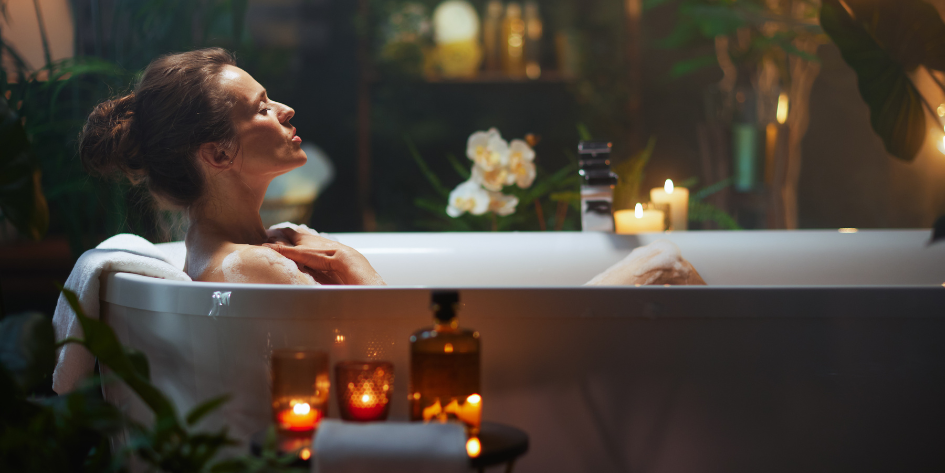
- Care. Home spa hour. Bath, face mask, or foot soak. Slow music.
- Connect. One call or tea with a supportive friend. Keep it light.
- Evening. Early dinner. Sunset walk. Devices off two hours before bed.
Make it a weekend by repeating the flow and adding a creative block. Painting, cooking, or music gives the brain a different toy to play with, which helps defog decision fatigue.
Women’s self care retreat near me vs DIY
Both paths work. Hosted women’s formats add structure and sisterhood. DIY adds privacy and lower cost.
- Choose hosted when you want facilitation, community, and fewer decisions.
- Choose DIY when you want silence, flexible timing, and comfort at home.
Trends and takeaways from 2018–2019
Self care retreat 2018 and self help retreats 2018
Over 2018 self care moved mainstream and retreats diversified. The Global Wellness economy tracked wellness tourism growth, and day programs added mindfulness and forest therapy to reach busy professionals. This period set the template for nature-forward formats and skill-based schedules that still define many programs. [8]
Self care retreat 2019 and womens wellness retreats 2019
By 2019 women’s wellness retreats surged in visibility, with organizers centering rest and community as active ingredients rather than extras. Testimonials from women-focused programs capture what mattered most. Safety, sisterhood, and the permission to do less. Those elements remain core today. [4][8]
New Life Hiking Spa & Wellness Retreats overview
New Life Hiking Spa & Wellness Retreats earned a reputation for combining daily hiking with nutrition-forward menus and simple lodging, making it a longstanding favorite among wellness travelers. Operations have shifted in recent years. Program continuity and availability need confirmation before booking. The model illustrates how movement, nature, and routine create powerful resets. Needs confirmation.
FAQ: self-care retreat basics, cost, and results
What is a self care retreat?
A self care retreat is a short, intentional break from routine that uses guided practices, rest, and reflection to reduce stress, restore sleep, and reconnect you with your values. Formats range from day programs in nature to multi-day wellness retreat experiences with lodging and curated schedules. [1][3]
How much does a typical retreat cost?
Costs vary by length, location, and facilitation. As of 2025 many day retreats run between 100 and 300 dollars. Hosted multi-day packages commonly range from 500 to 5,000 dollars per person. Public listings show examples around 1,800 dollars for four days, while some urban wellness packages price lower due to shorter stays. [1][2][3]
Do wellness retreats actually work?
Retreats are not medical treatment, yet they use evidence-based practices. Mindfulness-based stress reduction improves anxiety and sleep. Forest therapy reduces stress markers and lifts mood. Group support helps sustain changes after the retreat. Results depend on fit and follow-through, and many people report meaningful benefits. [6][7][1]
Does insurance pay for mental health retreats?
Insurance generally covers clinically necessary mental health treatment delivered by licensed providers within recognized care settings. Most wellness retreats are not clinical programs and usually are not covered. The Mental Health Parity and Addiction Equity Act requires parity between mental health and medical benefits, but it does not extend coverage to non-clinical retreats. Always call your plan to verify. [9][13]
Conclusion: choosing your next step with confidence
The signs are often clear. Fatigue that never lifts. Stress symptoms that stick. Joy that quietly fades. When these stack up, a self care retreat is a practical, humane next step. Pick a format that matches your goal, your time, and your budget. Start local if that lowers friction. Go destination when nature and time are what you need most. Then protect the gains by carrying one practice home. A simple evening wind-down or a weekly forest walk keeps the dial turned down.
When the dashboard is blinking, do not wait for a breakdown. Choose one small retreat move this week. Book a day program, sketch an at-home plan, or research a getaway for self care that fits. Your body will feel the difference. Your mind will thank you. Your life will run steadier. A self care retreat belongs in your toolbox, and it can start now.
References
- The Morton Arboretum. Wellness Retreat. Accessed November 2025. https://mortonarb.org/explore/activities/adult-programs/wellness-retreat/
- BookRetreats. Self-Help Retreats in Chicago for 2025/2026. Accessed November 2025. https://bookretreats.com/s/wellness-retreats/self-help-retreats/chicago
- Spa + Social at Palmer House. Chicago Spa Wellness Retreat. Accessed November 2025. https://www.spaatph.com/retreat
- The Self Care Retreat. Who We Are, testimonials, and galleries. Accessed November 2025. https://www.theselfcareretreats.com/
- American Psychological Association. Stress in America survey. Accessed 2025. https://www.apa.org/news/press/releases/stress
- Khoury B, Lecomte T, Fortin G, et al. Mindfulness-based therapy: A comprehensive meta-analysis. Clin Psychol Rev. 2013;33(6):763-771. doi:10.1016/j.cpr.2013.05.005
- Park BJ, Tsunetsugu Y, Kasetani T, et al. The physiological effects of Shinrin-Yoku. Environ Health Prev Med. 2010;15(1):18-26. doi:10.1007/s12199-009-0086-9
- Global Wellness Institute. Wellness Tourism insights. Accessed 2025. https://globalwellnessinstitute.org/industry-research/wellness-tourism/
- US Department of Labor. Mental Health Parity and Addiction Equity Act. Accessed 2025. https://www.dol.gov/agencies/ebsa/laws-and-regulations/laws/mental-health-parity
- Centers for Disease Control and Prevention. How much sleep do I need. Accessed 2025. https://www.cdc.gov/sleep/about_sleep/how_much_sleep.html
- Dhabhar FS. Effects of stress on immune function. Brain Behav Immun. 2014;35:1-11. doi:10.1016/j.bbi.2013.10.010
- World Health Organization. Burn-out an occupational phenomenon. Accessed 2025. https://www.who.int/news/item/28-05-2019-burn-out-an-occupational-phenomenon
- National Association of Insurance Commissioners. Mental Health Parity consumer resources. Accessed 2025. https://content.naic.org/consumer.htm