
Table of Contents
Breathwork retreats attract people for many reasons. Some want stress relief that actually lasts after the week ends. Others come for healing, clarity, or to train as facilitators. This Breathwork Retreat Guide lays out what the experience involves, how to choose wisely, and how to prepare so the breath does the heavy lifting rather than the mind.
Breathwork retreats use guided breathing methods to elicit focused relaxation, emotional release, and deeper self-awareness. Expect structured sessions, skilled facilitation, and integration support. Typical benefits include reduced stress, improved sleep, clearer thinking, and a grounded sense of connection, with safety protocols and consent shaping the container [1][2][3].
Breathwork Retreat Guide: What This Experience Really Involves
Core Concepts, Outcomes, and Methods
At its heart, breathwork is intentional breath control used to influence the nervous system and mental state. Many people slide into shallow breathing under daily pressure. Retreats slow the pace and teach diaphragmatic and rhythmic patterns that signal the body to relax. This helps shift from fight or flight toward rest and digest, which is why people walk out of sessions feeling calm yet clear [3].
Outcomes tend to cluster. Stress and anxiety decrease. Sleep gets easier. Focus sharpens. Emotional processing becomes less tangled and more spacious. Some participants report physical sensations like tingling or lightheadedness during sessions. Others describe relief, insight, or a sense of inner steadiness that sticks around. Both are normal when breathing is used with intention and guidance [1][3].
Methods vary by modality and facilitator. You’ll see techniques like Conscious Connected Breathing, pranayama streams drawn from yogic traditions, and structured patterns such as box breathing or three part breathing. Each method has a distinct rhythm, pacing, and aim. The shared thread is skilled guidance, clear consent, and time to integrate what shows up [1][2][3].
Retreat Formats: Weekends, 7-Day, and Immersives
Weekend retreats work as a reset. They typically include one to two core breathwork journeys and a few lighter practices. The pace is accessible, the schedule tight but not overwhelming. Seven day programs allow for deeper work with multiple journeys, integration circles, and restorative time. Immersives layer breathwork with movement, nature time, and education modules, which can feel like a full immersion in breath-centered living.
One quick way to think about format is capacity. Short formats help people test the waters and get foundational benefits. Longer formats create space for paced emotional release, quieter insights, and sustainable routine building. Training immersives add mentorship and practicum if certification is in the mix. It’s the difference between a powerful weekend and a life chapter that reshapes habits.
Types of Breathwork Retreats and Modalities
Holotropic and Conscious Connected Breathing
Holotropic style sessions use intensified breathing with music and supportive facilitation. Conscious Connected Breathing uses a continuous inhale and exhale with no pause. Both are known for emotional release, deep relaxation, and heightened self-awareness when practiced safely. Participants often report increased energy and mental clarity once sessions integrate, which is why these modalities anchor many retreats [1].
Here’s the thing. These methods can be quite potent. Skilled facilitators prepare the container, keep a watchful eye, and invite people to slow down or adjust if sensations spike. Good programs combine clear consent upfront with grounded integration afterward so experiences settle in rather than scatter.
Pranayama and Yogic Breath Immersions
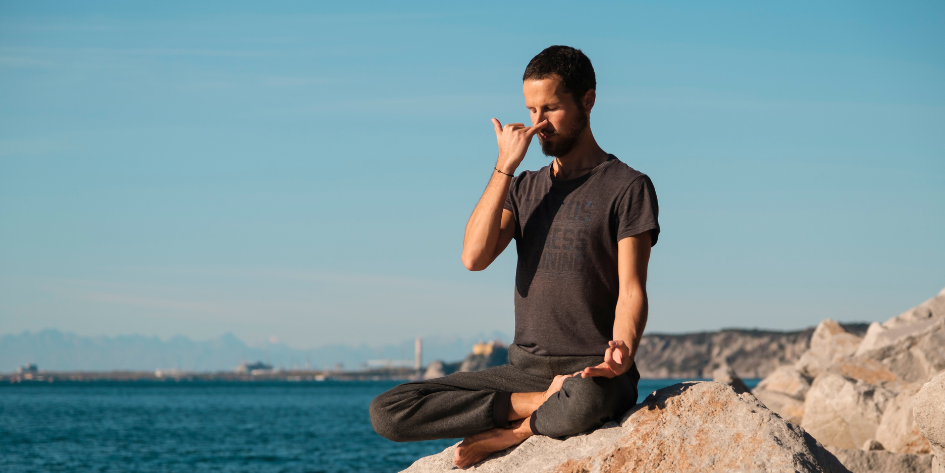
Pranayama tracks come from yogic breathing, often taught in measured steps. You might see alternate nostril breathing, box breathing, and guided three part breathing. These are elegant in their simplicity. They calm the nervous system, help focus the mind, and support better sleep. Many facilitators build pranayama progressions in morning practice for stability through the day [2][3].
People often say pranayama feels like a daily hygiene for the mind. Short and steady works well. Some retreats weave pranayama into gentle movement or meditation, which helps participants carry the benefits beyond the cushion into mealtimes, nature walks, and evening rest [2][3].
Transformational, Rebirthing, and Shamanic Breathwork
Transformational breathwork centers on releasing patterns through guided breath and body mapping. Rebirthing breathwork uses connected breathing with a focus on resolving early imprints. Shamanic breathwork pairs rhythmic breathing with music and ritual elements. These modalities can feel intense or cathartic. Programs prioritize preparation, consent, and integration circles so insight becomes change rather than a fleeting moment [1].
A micro scene familiar to many retreats. A quiet room, the soft rustle of blankets, dim light warm on cedar beams, and a facilitator reminding the group to “let the breath lead.” That simple prompt often unlocks what words could not.
Guide on Breathwork Retreats: Who They’re For and Who Should Avoid Them
Desired Goals: Stress Relief, Healing, and Performance
Retreats serve three common goals. Stress relief that calms the body. Emotional healing that is paced and supported. Performance support for people who want sharper focus, steadier sleep, and a routine that holds during busy seasons. Breathwork is used by therapists, coaches, and yoga teachers because it works across multiple layers. That blend is part of its appeal [2][3].
People often arrive with mixed intentions. Clarity, connection, and a reset are frequent themes. The best programs help participants refine those aims into simple intentions that guide choices. Less is more. A single line like “rest is enough” can do more than a long wish list.
Contraindications and Safety Screening
Not everyone is a fit for every modality. Screening is essential. People with cardiovascular concerns, respiratory issues, neurological conditions, or those who are pregnant should talk with a clinician and a facilitator before attending. Strong emotional processing can surface. Programs should gather health information, discuss scope, and guide participants toward gentler tracks when needed. These points are editor-verified and based on common practice in retreat settings.
Safety screening protects the group. Facilitators need to know who needs lighter pacing, who might benefit from one on one support, and who should avoid amplified methods. It is better to err on the side of caution and choose a restorative track than push through intensity without adequate support.

Breathing Retreat Guide: A Day in the Life
Morning Practices and Opening Circles
Mornings typically begin with grounding. Think easy stretches, pranayama, and a short check in. Opening circles lay out consent, session flow, and personal boundaries. People set intentions and agree they can pause anytime. The tone is welcoming and direct. That lowers anxiety and sets a shared standard of care [1][3].
Sensory details tell the story. Steam drifts from mugs. Mats line the floor. The room settles. A facilitator’s voice is steady and present. It’s a subtle choreography designed to help everyone arrive.
Core Breathwork Journeys and Integration
The main session often lands mid day. Breath patterns are introduced slowly, then sustained in waves. Music or silence supports pacing. Facilitators adjust rhythms, invite breaks, and keep a compassionate eye on the room. After the journey, integration time helps experiences land. Journaling, gentle movement, and grounded conversation close the loop so the nervous system settles rather than spikes again [1][3].
Integration is where most of the value consolidates. Retreats that over stack sessions without integration may feel dramatic yet thin. Programs that protect the landing build benefits that last after the suitcase is unpacked.
Evening Rituals, Rest, and Reflection
Evenings are intentionally soft. Light practices, reflective prompts, and quiet community time help people digest. Technology breaks are common. It’s wise. The body has already done the work. Rest does the repair. Many centers suggest short gratitude lists or nature walks before bed. Simple practices pair well with a day of heavy lifting by the breath [1][2].
Guide for Breathwork Retreats: How to Choose the Right Fit
Setting and Environment: Nature, Urban, or Hybrid
Setting shapes the experience. Nature-based centers add calm through soundscapes and spaciousness. Urban retreats work well for convenience and structured schedules. Hybrid locations offer easy travel with quick access to trails or water. Choose a setting based on your goal. Stress relief tends to thrive in quieter environments. Training formats can sit anywhere as long as rooms are comfortable and sound is managed.
People often underestimate environmental load. Noise and clutter drain focus during breathwork. A modest, tidy room with consistent temperature beats a grand venue with distractions.
Program Structure and Facilitator Credentials
Structure matters. Look for a clear daily rhythm, integration blocks, and a balance between core sessions and rest. Facilitator credentials should reflect training in specific modalities plus experience leading groups. Ask about assistant support, consent practices, and emergency protocols. Good centers share this without hesitation. These points are editor-verified and mirror common best practices.
One guiding thought. “Safe, steady, and skilled” beats “intense and impressive.” Programs that center care produce better outcomes than those that chase theatrics.
Top Destinations and Best Times to Go
Popular destinations include coastal and mountain settings and serene rural centers. Spring and fall offer milder weather with fewer travel snags. For urban programs, shoulder seasons reduce costs and crowding. If the focus is rest, aim for calmer months in your life rather than peak workload. This guidance is editor-verified.
Retreat Guide for Breathwork: Safety, Ethics, and Facilitator Qualifications
Screening, Consent, and Emergency Protocols
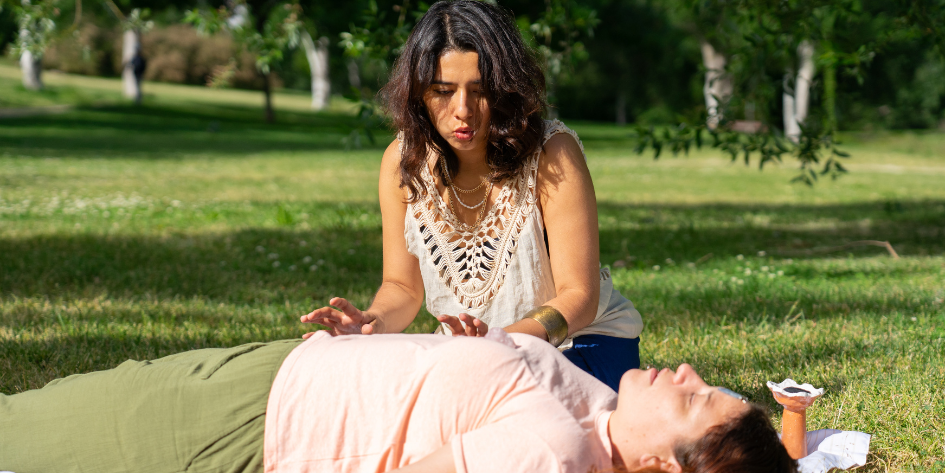
Ethical programs start with screening. Participants share relevant health information and goals. Consent is explicit and ongoing. People are reminded they can pause or stop at any time. Emergency protocols are simple and rehearsed. Clear roles and communication reduce risk and anxiety. These elements create trust so participants can lean into the breath with confidence [1].
Consent is not a checkbox. It’s a thread through the session. Facilitators check in with eyes and words. Participants can gesture for support or step away. Small details like this shape safety in real time.
Certification Paths and Professional Standards
Certification paths vary by modality. Holotropic, transformational, and rebirthing programs often require multi module training, supervised practicum, and mentoring before independent facilitation. Professional standards include scope clarity, trauma informed practice, and referral networks for continued care. This section is editor-verified due to limited formalized public data in the provided sources.
Preparation Checklist: What to Do Before Your Breathwork Retreat
Physical and Mental Prep Timeline
Preparation starts small and steady. The goal is a calm baseline before arrival. Use this gentle timeline.
- Three weeks out. Begin short daily breath sessions. Two to five minutes helps settle patterns [2][3].
- Two weeks out. Reduce alcohol and heavy late meals. Prioritize sleep. Light movement most days.
- Seven days out. Set one clear intention. Practice journaling for five minutes each evening.
- Three days out. Confirm travel and dietary needs. Limit screens in the evening [1].
- Arrival day. Hydrate, eat lightly, and arrive early. Give yourself margin to exhale.
Short practices like three part breathing or box breathing work well here. Many participants notice reduced morning tension and improved focus with even bite sized sessions [2][3].
What to Pack and What to Leave at Home
Pack for comfort and quiet. Essentials include soft clothing, medications, toiletries, and a water bottle. Add a small journal, pen, and a light blanket or shawl that makes you feel grounded. Earplugs or headphones help carve out privacy during downtime. Keep tech minimal. The best moments happen offline [1][2].
- Bring. Comfortable layers, personal care items, reusable bottle, journal, snacks like nuts or fruit, and any preferred yoga props [1][2].
- Leave. Heavy work commitments, excess tech, and anything that pulls focus away from the breath.
Travel and Logistics for U.S. and Abroad
For U.S. retreats, aim for flights that land before midday and avoid tight connections. Ground transport should be confirmed in advance. For international programs, check visa requirements and health coverage. Build buffer time so arrival feels spacious, not rushed. Centers often share logistics details. Ask early and keep it simple. These points are editor-verified.

Breathwork Training Retreat vs Restorative Retreat: Key Differences
Curriculum, Practicum, and Certification
Training retreats include structured curriculum. Expect modules on ethics, safety, session design, and supervised practicum. Some programs require case studies and mentoring post retreat before certification. Restorative retreats focus on participant care with education woven in rather than assessed. This distinction helps set expectations. This section is editor-verified.
Time, Intensity, and Participant Expectations
Training formats run longer days with concentrated learning and practice. Intensity can feel higher due to layered responsibilities. Participant expectations include punctuality, assignments, and feedback cycles. Restorative tracks protect rest as a skill. The schedule breathes more. People are coached to slow down rather than add more. Choose based on current bandwidth and goals.
Costs, Budgeting, and Value for Money
Price Ranges by Region and Program Length
As of 2025, prices vary widely. Weekend retreats often sit at the lower end. Seven day programs and training immersives cost more due to length, staffing, and facilities. Urban centers may price higher on lodging. Nature venues carry added transport but often lower daily costs. Exact price points depend on location and inclusions. This section is editor-verified and needs confirmation for precise figures.
Hidden Costs and How to Save
Common hidden costs include transport, tips, gear purchases on site, and add on private sessions. Ask for an all inclusive breakdown. Save by booking shoulder seasons, sharing rooms, and bringing your own basic props. Early bird windows often help. Community scholarships exist at some centers. Ask. Many programs quietly support access.
Breathwork Guide for Retreats: Post-Retreat Integration
Journaling, Coaching, and Community Support
Integration is the bridge between retreat and daily life. Keep it simple. Journal for five minutes each morning. Note one practice win per day. If big themes surfaced, consider a short coaching block or therapy support to metabolize insights. Community groups or alumni circles keep momentum going. Sharing normalizes the experience and makes routine stick [1].
Building a Sustainable Breathwork Routine
Sustainable routines start small. Two minutes of diaphragmatic breathing before coffee. Three part breathing at lunch. Box breathing before bed. People who keep sessions short and regular tend to maintain them longer. That quiet consistency generates results. Over the past decade breathwork’s rise shows this pattern. Small daily practice beats sporadic intensity [2][3].
FAQ: Guide to Breathwork Retreats
What happens at a breathwork retreat?
Retreats combine guided breathwork sessions with integration time, movement or meditation, and supportive community. Expect clear consent, safety screening, and facilitators who adjust pacing. Benefits commonly include stress relief, better sleep, and increased clarity [1][3].
Is breathwork safe for everyone?
Breathwork is generally safe when guided and paced. Some modalities are not suitable for people with certain medical conditions or during pregnancy. Screening and clinician input are important. Programs should offer gentler tracks and the ability to pause anytime. This section is editor-verified.
How do I prepare for a breathwork retreat?
Begin short daily breath practices, prioritize sleep, set a simple intention, and pack for comfort. Confirm travel early and minimize tech use during the retreat. These steps reduce stress and help the breath do the heavy work once you arrive [1][2][3].
How much does a breathwork retreat cost?
Prices depend on length, location, and inclusions. Weekend programs tend to be less, seven day or training immersives more. Ask for a detailed breakdown with lodging, meals, transport, and potential add ons. This answer is editor-verified and needs confirmation for exact figures.
What is the difference between a breathwork training retreat and a regular retreat?
Training retreats include curriculum, practicum, and often mentoring toward certification. Regular retreats focus on participant care and restorative outcomes with lighter education. Expect longer days and assessed tasks in training formats. This section is editor-verified.
How do I choose a reputable facilitator or center?
Look for clear credentials, modality specific training, strong consent practices, and transparent emergency protocols. Ask about assistant support and integration structures. Trust programs that answer these questions directly. Values show in details [1].

Conclusion: Your Next Steps and How to Book with Confidence
Quick Checklist to Start Your Breathwork Journey
- Clarify your goal. Stress relief, healing, or training.
- Choose setting. Nature, urban, or hybrid.
- Vet facilitators. Credentials, consent, and safety.
- Confirm structure. Core sessions plus integration blocks.
- Prep gently. Short daily breath, solid sleep, simple intention.
- Plan integration. Journal, community, and one small daily practice.
Summary takeaway. Breathwork retreats work best when care and pacing meet skilled methods. The breath can calm stress, unlock insight, and build grounded routines when the container is safe and steady. Next step. Use this Guide to Breathwork Retreats to shortlist programs, ask precise questions, and book with confidence so the experience fits your life rather than blows past it [1][3]. This Breathwork Retreat Guide is meant to help you move from curiosity to action with eyes open and breath steady.
Recommended Resources and Directories
- Foundational breathwork explainers and beginner techniques from Othership’s resource hub for practice at home [3].
- Gentle preparation and packing guidance inspired by Breathing Space for first time retreat participants [1].
- Short daily pranayama ideas like three part breathing from Bethany Rose Yoga via Salt Escapes for accessible routines [2].
References
Othership. Breathwork for Beginners: 5 Ways to Learn and Practice It. Othership. https://www.othership.us/resources/breathwork-for-beginners. Published October 17, 2021. Accessed October 30, 2025.
Nolan J. A Guide to Your First Breathwork Retreat — Breathing Space. Breathing Space. https://www.makesomebreathingspace.com/blog/breathwork-retreat-guide. Published August 13. Accessed October 30, 2025.
Salt Escapes. A Simple Guide to Breathwork, with Bethany Rose Yoga. Salt Escapes. https://www.salt-escapes.com/post/a-simple-guide-to-breathwork-with-beth?srsltid=AfmBOopat32bDfb5azdh9INggGXVmpds55y5hkhz_WA_D306jscxjj8u. Published March 22, 2025. Accessed October 30, 2025.